
Est. 2016
Relational and affirming psychotherapy by and for the 2SLGBTQIA+ community
Queer mental healthcare, no matter the weather
Bring your rage about the state of the world, or the situationship that’s eating your week. Here you’ll find real people: present, curious, warm and serious about your care.
Our mission
To support and advocate for the wellbeing and mental health of the 2SLGBTQIA+ community through affirming queer therapeutic relationship.
Where to start
Is this right for me?
I’m figuring out my gender or sexuality
Identity development, coming out, transition, and the parts of it nobody warns you about.
My relationship needs support
Couples work, ethical non-monogamy, polyamory, and other relationship structures.
I’m carrying trauma
Complex and relational trauma, PTSD, gender-based and sexual violence.
I’m anxious, burnt out, or low
Stress, anxiety, depression, and the weight of living in a world that argues about your existence.
I’m grieving, or my life is changing
Bereavement, estrangement, and changes in health, work, transition and identity.
I’m a young person, or I’m parenting one
2SLGBTQIA+ youth navigating school, family, identity and community.
I just need someone to talk to
Not everything has to be a crisis or a cause. Work, family, a partner who’s driving you up the wall: it all counts.
I’m not sure yet
That’s a normal place to start. Tell us as much or as little as you want to.
How we practise
Five things that shape our work
01
Queer therapists for queer people
Every therapist at Umbrella identifies within the communities we serve. You should not have to explain your life before you can start talking about it.
02
Mental health is political
Being queer is not and never was a disorder, despite what the mental health field once claimed. What you are carrying cannot be separated from the social and political context that you exist within.
03
Trauma-informed and human-centred
Trauma affects how safe we feel. So we move at your pace, check in on consent throughout, and give you the information to make your own choices.
04
Access is a practice, not a policy
Sliding scale, an accessibility program, and NIHB coverage.
05
Therapists need community too
Regular training, supervision, peer consultation and in-person gatherings. Umbrella was founded so that therapists doing this work would not have to do it alone.
Services
Ways to work with us
Sessions are 50 minutes, by secure video or phone, usually weekly or every other week. You and your therapist decide the pace together.
Individual therapy
Ongoing one-to-one work with adults and youth: anxiety, depression, burnout, identity, grief and life transitions.
Couples therapy and ENM
Relationship work for couples, and for people practising ethical non-monogamy, polyamory and other structures.
Family therapy
Work with families and chosen family, including parents and caregivers supporting a queer or trans young person.
What happens next
From inquiry to first session
Step one
Send an inquiry
Tell us what you’re looking for. Share only what you’re comfortable sharing.
Step two
We suggest a match
Our admin team replies within two business days with one or more therapists who fit. If there is someone on the team you already want to work with, say so and we will check their availability.
Step three
Book a consultation or two
Fifteen minutes each, free of charge, by secure video or phone. Enough to hear someone’s voice and get a sense of them before you commit to anything.
Step four
Decide who you want to work with
Book a first session with whoever felt right. If none of them did, say so — we will look again, and that is a normal part of this, not a setback.
Our team
Nine therapists, all of them queer or trans-identified
Each profile lists the therapist’s registered title, credentials and areas of focus, which reflect their training and practice.

Christopher Shillington
Registered Psychotherapist
MA, CCC, RP · Clinic Director
they/them
NIHB provider
- Couples therapy and ENM
- Grief, loss and transition
- Trauma and PTSD
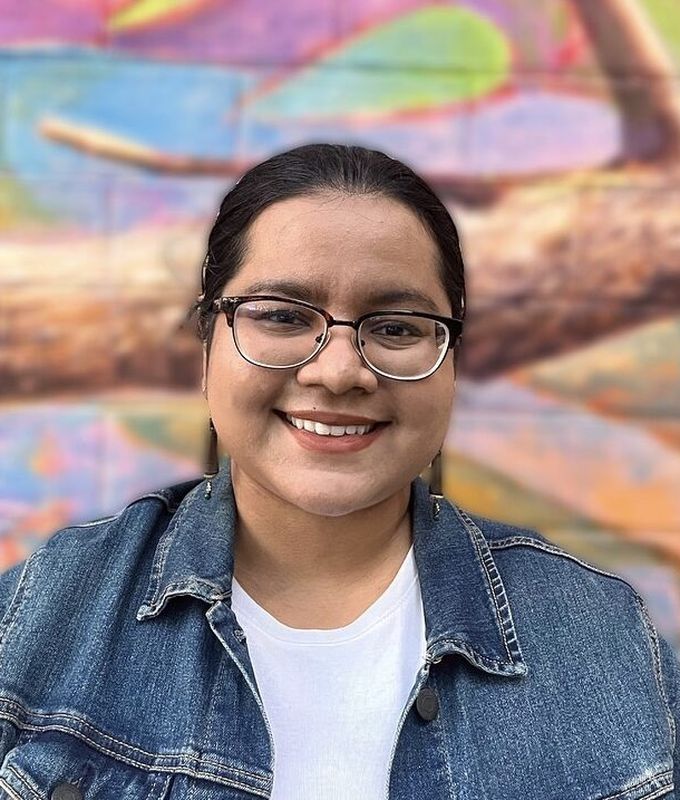
Bushra Ahmed
Registered Social Worker
MSW, RSW
they/them
- 2SLGBTQIA+ youth
- Exploring neurodivergent identities
- Impact of oppression and trauma
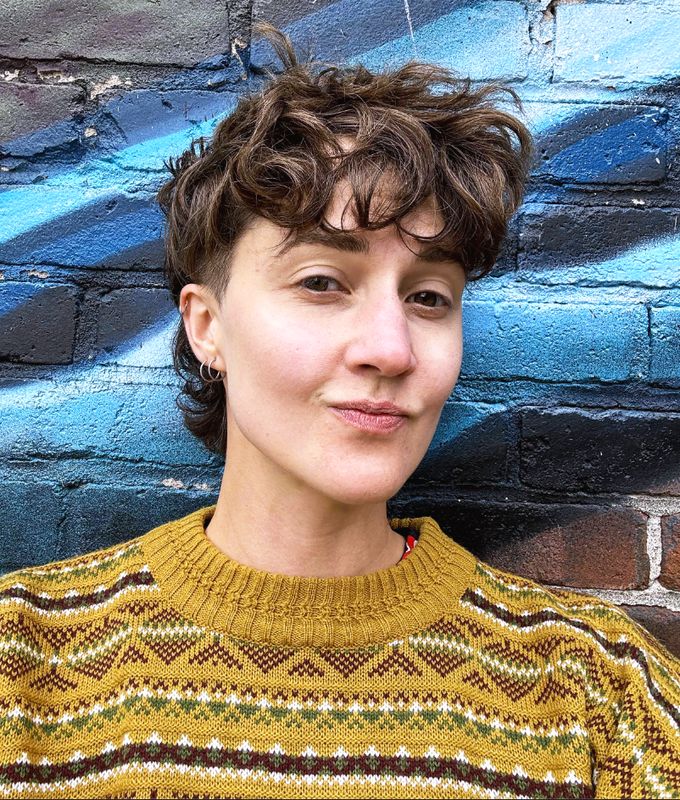
Cressida Frey
Registered Social Worker
MSW, RSW
they/them
- Complex and relational trauma
- Relationships and attachment
- Gender and sexual identity
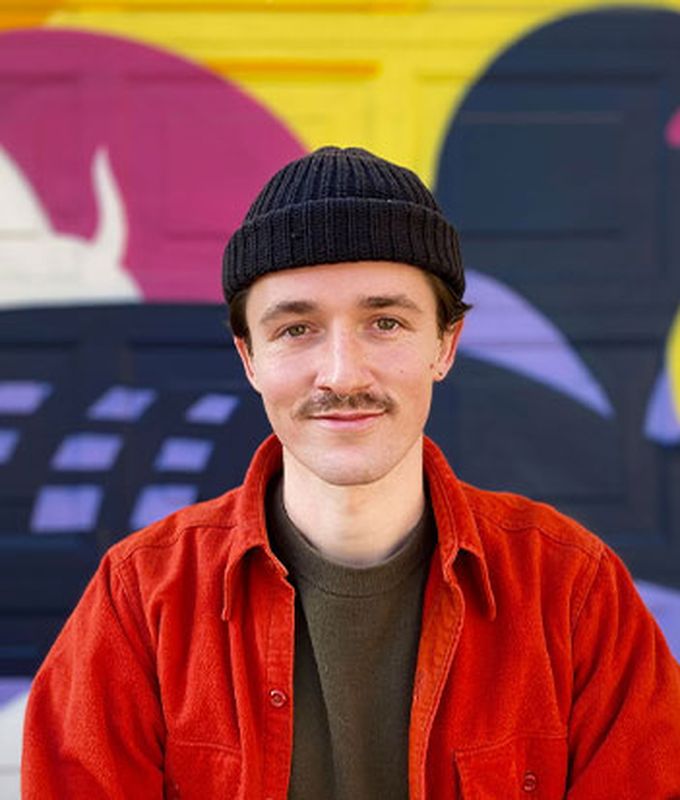
Derek Cassidy
Registered Social Worker
MSW, RSW
he/him · they/them
- Relationships and attachment
- Complex, relational trauma
- Sexuality and sexual health
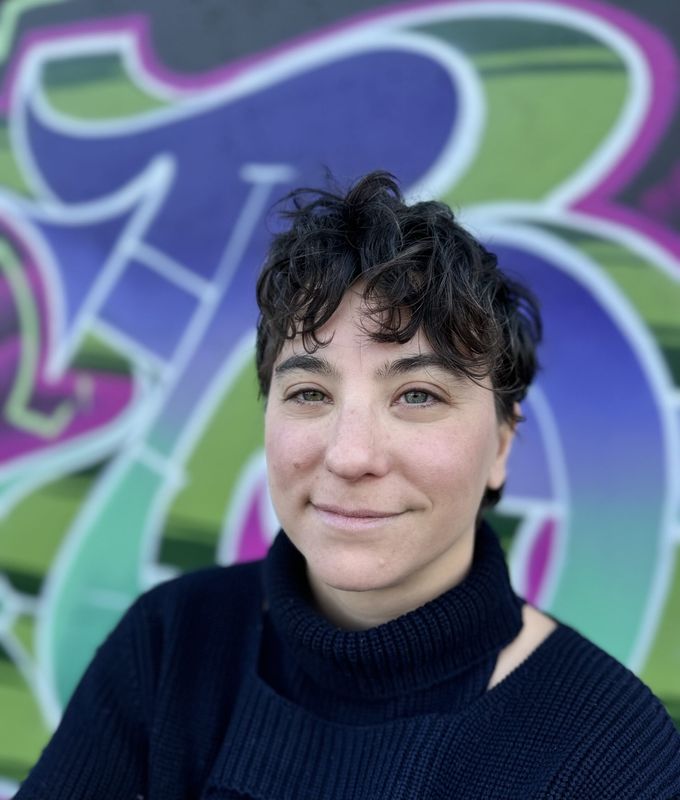
Gilda Pikelin
Registered Social Worker
MSW, RSW
she/her · they/them
- Stress, burnout, anxiety, depression
- Fertility and queer family planning
- Gender-based violence and trauma
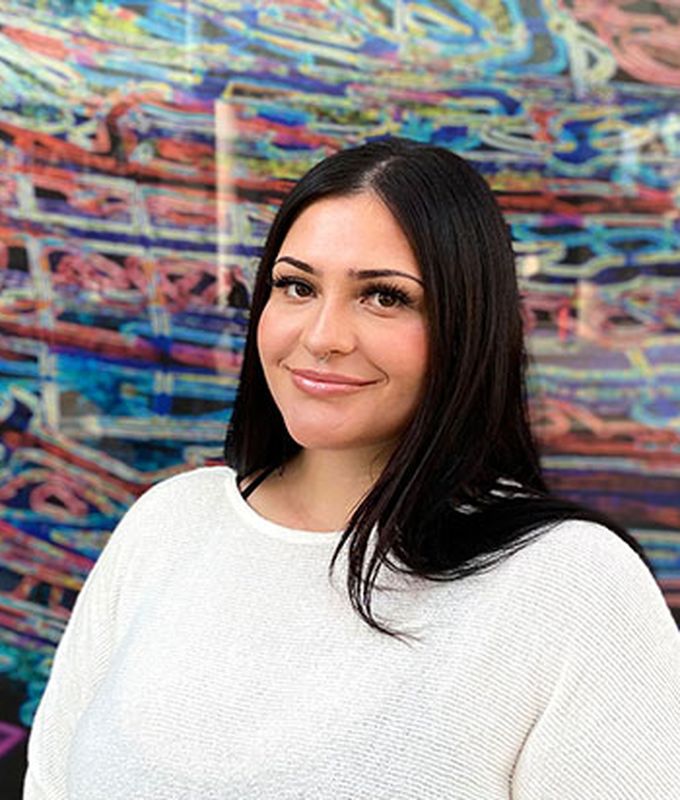
Kathryn Bargis
Registered Psychotherapist
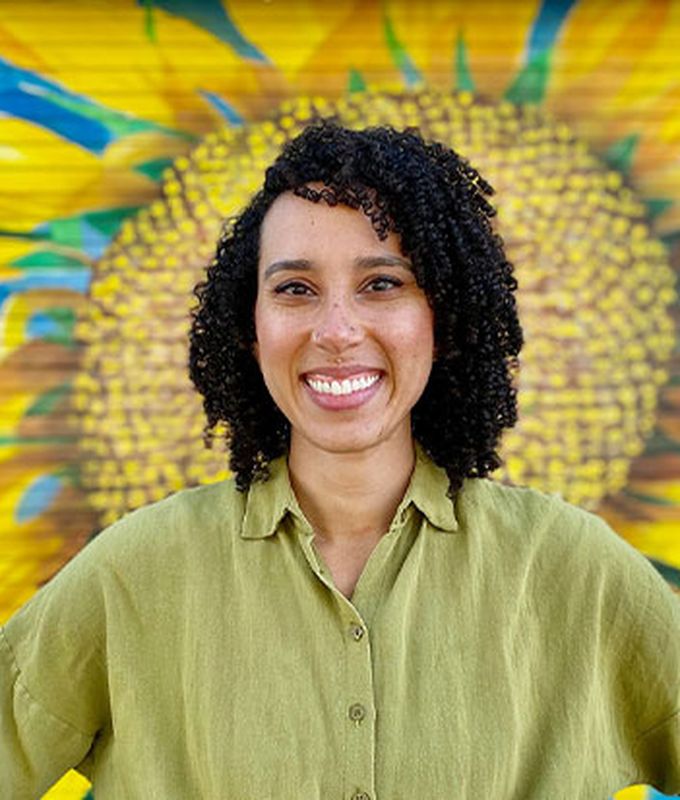
Maxine Bower
Registered Social Worker
MSW, RSW
she/her
- Attachment in individuals and relationships
- Complex trauma
- Deepening connections
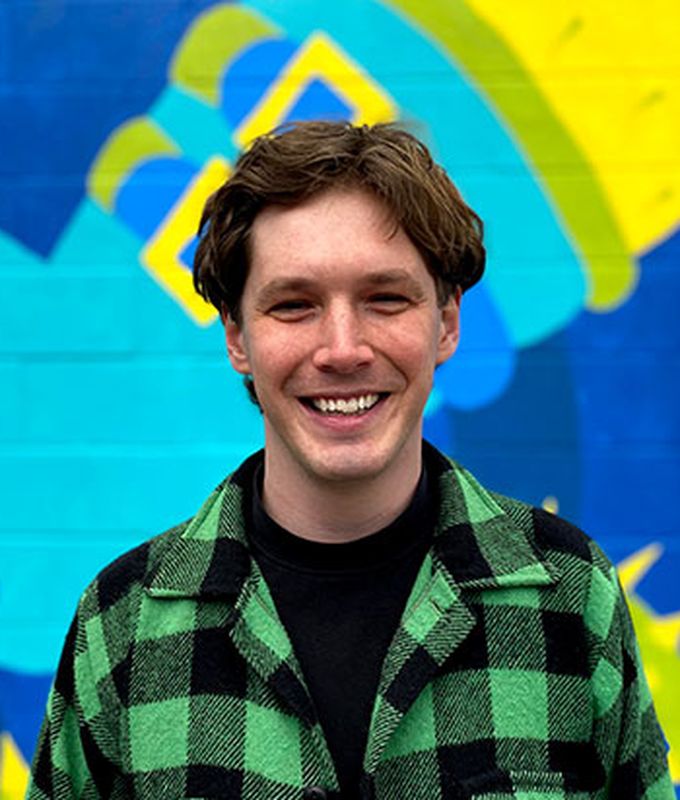
Nicholas Sorg
Registered Psychotherapist
MSc, RP
he/him
- Stress, anxiety and depression
- Sexual identity development
- Alternative relationships and family stress
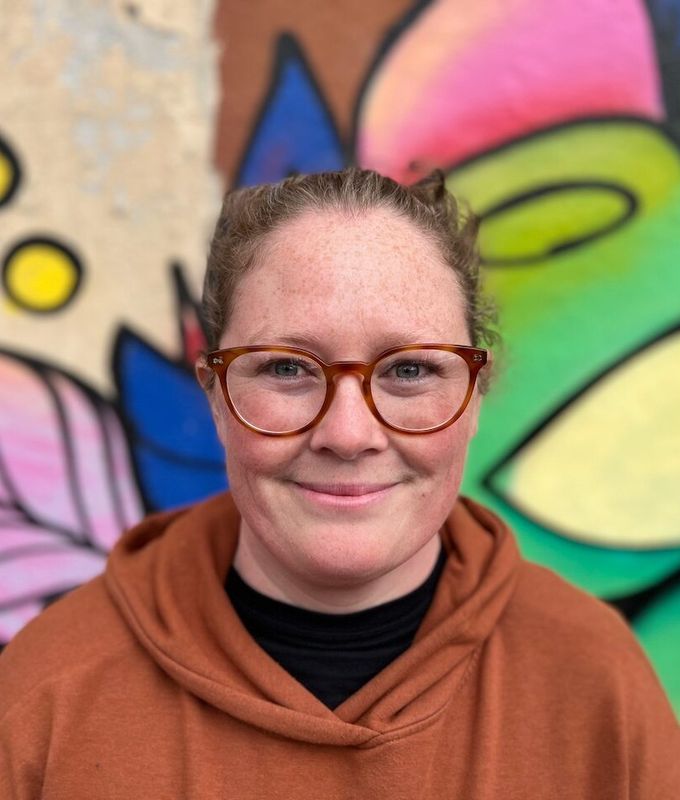
Rae Griffin-Carlson
Registered Social Worker
MSW, RSW
she/her
NIHB provider
- 2SLGBTQIA+ youth and adults
- Stress, anxiety and depression
- Sexual and gender-based violence
Fees and access
What it costs, and what support is available
Psychotherapy is regrettably not covered by OHIP. Most extended health plans cover some of it. If yours doesn’t, or you don’t have one, there are other routes — and you don’t need to justify asking.
Full-rate sessions make reduced-rate and Accessibility Program sessions possible.
Individual Session
$175 / 50 minutes
Receipts are issued for every session and are claimable under most extended health plans that cover Registered Psychotherapists or Registered Social Workers.
Couples and Family Sessions
$200 / 50 minutes
Sessions with more than one person in the room. Receipts are issued the same way and are claimable under the same plans.
Sliding Scale
Reduced rate
Our therapists hold a limited number of sliding-scale spaces to support accessibility. If this is you, let us know in your inquiry.
Accessibility Program
10 sessions, free
Umbrella funds ten sessions for clients who qualify. Criteria are self-identified financial need plus one of: queer, trans, BIPOC or trans-feminine. Placement is by waitlist.
Non-Insured Health Benefits for First Nations and Inuit
Fully covered
Sessions are at no cost for clients eligible under the program.
Ten years, counted
Our impact in the community
2,008Clients served
859Hours at no cost
9,416Hours at reduced rates
10Years
From Umbrella’s practice records, February 2016 to date.
Questions
Things people ask before reaching out
Do I have to be queer or trans to be a client here?
No. Our therapists are queer and trans-identified and our practice is built around 2SLGBTQIA+ communities, but we work with anyone who wants this kind of care.
Is there a waitlist?
Not as a practice — we’re accepting new clients. Individual therapists may have waitlists, so if the person you had in mind is full we’ll suggest others. The Accessibility Program does operate on a waitlist, since only a set number of spots are open at a time.
How long will I be in therapy?
That’s yours to decide. Some people come for a few months around a specific thing; others stay for years. Your therapist will talk with you about it rather than set a term in advance.
Will my insurance cover this?
Most extended health plans cover Registered Psychotherapists, Registered Social Workers, or both — check which one your plan names, as it varies. We issue receipts after every session with the therapist’s registration details.
What if I don't click with my therapist?
Tell us. Fit matters more than almost anything else in therapy, and asking to change is a reasonable thing to do at any point, not just after the first session.
Do you offer in-person sessions?
Most sessions are by secure video or phone. Some therapists also see clients in person. Mention it in your inquiry and we’ll match you with someone who can.
I'm not the client — I'm looking for someone else.
Family members, partners and referring professionals are welcome to get in touch. We can talk through whether Umbrella is a fit and what the intake process involves, without needing the person’s details up front.
Acknowledgement
Tkaronto and the surrounding areas that we serve are within the Dish With One Spoon Territory. The Dish With One Spoon is a treaty between the Anishinaabe, Mississaugas and Haudenosaunee that bound them to share the territory and protect the land. Subsequent Indigenous Nations and Peoples, Europeans and all newcomers have been invited into this treaty in the spirit of peace, friendship and respect.
We at Umbrella recognize that the professions of psychology, psychotherapy and social work have roots in colonial violence. As psychotherapists and social workers, we understand that we have a responsibility to continuously work to decolonize our practice and to acknowledge the origins of the various healing practices we use.
We’d love to hear from you
Send an inquiry and our admin team will come back to you within two business days.
Contact
Get in touch
Reaching out is the hardest part, and you don’t have to be articulate about it. A sentence is enough.
Emailinfo@umhn.ca
Where we workVirtual across Ontario. In person with some therapists in Toronto and Ottawa.
Join the teamTherapist openings at Umbrella
Send an inquiry
Tell us what you’re looking for in our inquiry form. Share only what you’re comfortable sharing, and our admin team will reply within two business days.
Please don’t include clinical details or anything time-sensitive in the form. If you’re in crisis, contact the 9-8-8 Suicide Crisis Helpline or your local emergency services.